

Custom Enterprise Offices: How Businesses Can Build a Workspace Around Their Team
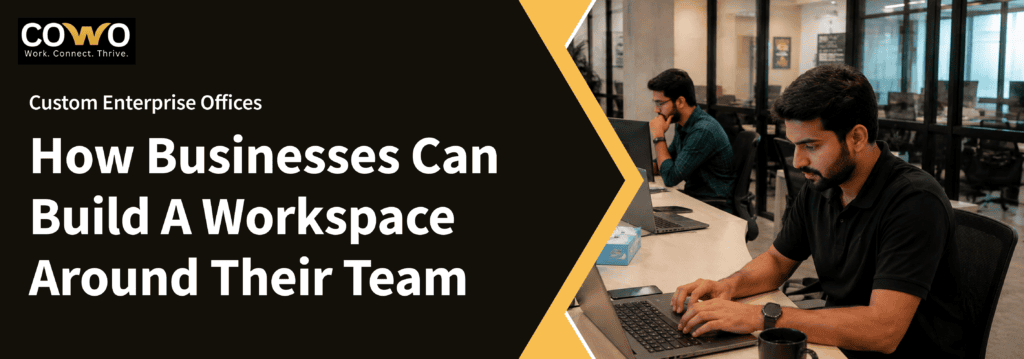
The modern workplace is no longer limited to desks, meeting rooms, and a physical location where employees complete their daily responsibilities. Today, an office represents much more. It reflects a company’s culture, supports employee performance, improves collaboration, and plays an important role in business growth.
As businesses continue to evolve, workspace requirements are changing as well. Companies are no longer looking for standard offices that only provide basic facilities. They need environments that are designed around their teams, workflows, technology requirements, and future expansion plans.
In Pakistan, this transformation is becoming increasingly visible. Growing companies, technology firms, startups, and established enterprises are focusing more on creating professional workplaces that support productivity and adaptability. Businesses operating in major commercial cities such as Lahore, Karachi, and Islamabad require office environments that can accommodate changing team structures and evolving operational needs.
Traditional office setups often require businesses to manage every aspect independently. From selecting a location and planning the layout to arranging furniture, technology infrastructure, and maintenance, building an office can require significant time and resources.
For many organizations, especially those experiencing rapid growth, a fixed office model can become difficult to manage. A workspace that does not support employee needs or future plans may limit productivity and create unnecessary operational challenges.
Custom enterprise offices provide a more strategic approach. Instead of creating a workplace based only on available space, businesses can design environments around the people who use them. This approach helps organizations build offices that support collaboration, focused work, communication, and long-term growth.
A well-designed enterprise workspace is not simply a physical environment. It becomes a foundation that helps teams work better and allows businesses to adapt to future challenges.
Understanding Custom Enterprise Offices
Custom enterprise offices are professionally planned workspaces designed according to the specific requirements of a business. Unlike traditional offices that follow a standard layout, customized workspaces are created by understanding how a company operates and what its employees need.
The purpose of customization is to create a workplace where every element has a clear function. Office layout, employee seating, meeting areas, collaboration zones, privacy spaces, technology systems, and employee facilities are all planned according to business objectives.
Every organization has a different working style. A software company may require collaborative spaces where developers, designers, and managers can exchange ideas easily. A financial organization may need private rooms for confidential discussions. A consulting company may require professional meeting areas for regular client interactions.
A custom enterprise office considers these differences and creates an environment that matches the company’s workflow.
The focus is not only on creating an attractive office. The real objective is to build a workplace that improves efficiency, supports employees, and contributes to business success.
Why Businesses in Pakistan Need Customized Workspaces
Pakistan’s business environment has changed significantly in recent years. The growth of technology companies, startups, outsourcing businesses, and service-based organizations has increased the demand for professional and flexible office environments.
Many companies face challenges with traditional office development. Setting up a complete office often involves multiple stages, including finding suitable commercial space, managing construction, arranging infrastructure, purchasing equipment, and coordinating different service providers.
For growing businesses, these responsibilities can become a distraction from their core operations.
A company expanding its workforce may quickly need additional workstations and meeting areas. A business entering a new market may require a professional office without spending months on setup. Organizations adopting flexible working models may need a different type of workspace compared to traditional offices.
This is why customized enterprise workspaces are becoming more relevant. They allow businesses to create environments that match their current requirements while remaining adaptable for future changes.
A successful workspace strategy considers not only where employees work today but also how the business may grow tomorrow.
Building a Workspace Around Employee Needs
The foundation of a successful enterprise office is understanding the people who will use it. A workplace should be designed around employee behavior, communication patterns, and daily activities.
Many businesses make the mistake of focusing only on the size of an office. However, the effectiveness of a workspace depends on how well it supports the teams working inside it.
Different departments have different requirements. A creative team may need open spaces for brainstorming and discussions. A technical team may require quiet areas for concentration. Leadership teams may need private spaces for strategic conversations.
Before designing a workspace, businesses should consider:
- How teams communicate with each other?
- Which activities require collaboration?
- Which tasks require privacy and focus?
- How employees move throughout the office?
- How the workplace can support future growth?
Understanding these factors helps companies create more practical and efficient office environments.
A workspace designed around employees can improve comfort, reduce distractions, and create a stronger connection between people and the organization.
Creating a Balance Between Collaboration and Privacy
One of the biggest challenges in modern office design is creating the right balance between teamwork and individual productivity.
Collaboration is important for innovation and problem-solving, but employees also need spaces where they can focus without interruptions.
A well-designed enterprise office combines different types of environments. Collaborative areas encourage communication and teamwork, while private spaces allow employees to complete focused tasks.
For example, meeting rooms can support discussions and presentations, while quiet work areas can help employees handle responsibilities that require concentration.
This balance creates a flexible workplace where employees can choose the environment that best matches their work style.
A successful office is not based on one fixed layout. It is designed to support different activities throughout the working day.
The Importance of Strategic Space Planning
Space planning is one of the most important parts of creating a custom enterprise office. Businesses need to think beyond their current requirements and consider future expansion.
An office that works well today may become inefficient if the company grows and the layout cannot support additional employees or changing workflows.
Strategic planning helps businesses create workspaces that remain useful over time. It considers team structure, department interaction, meeting requirements, employee movement, and future scalability.
The goal is to create an environment where every area supports business operations while allowing flexibility for future changes.
A thoughtfully planned workspace reduces the need for frequent redesigns and helps companies make better use of their investment.
Technology Integration in Modern Enterprise Offices
Technology has become one of the most important elements of a successful workplace. Businesses today depend on digital communication, cloud-based systems, online collaboration tools, and secure networks to operate efficiently.
A modern enterprise office should be designed with technology requirements in mind. A workspace that lacks proper infrastructure can create unnecessary delays and reduce employee productivity.
Custom enterprise offices allow businesses to plan technology systems according to their operational needs. This includes reliable internet connectivity, smart meeting facilities, secure access systems, communication tools, and infrastructure that supports changing work models.
For businesses in Pakistan, technology reliability is especially important. Many companies work with international clients, distributed teams, and digital platforms that require consistent connectivity and smooth communication.
A technology-enabled office creates a more efficient environment where employees can collaborate effectively and complete their work without unnecessary interruptions.
The future of workplace design is closely connected with technology. Businesses that integrate digital solutions into their office planning can create environments that are more flexible, efficient, and prepared for future changes.
Designing Workspaces That Improve Productivity
A workplace has a direct impact on how employees perform. The design of an office can influence concentration, communication, comfort, and overall job satisfaction.
A custom enterprise office allows businesses to create different environments for different types of work. Employees who need focused attention can benefit from quieter areas, while teams working on projects can use spaces designed for collaboration.
Factors such as lighting, furniture, layout, noise management, and accessibility all contribute to the overall workplace experience.
A productive office does not necessarily mean having more space. It means using available space intelligently to support the way employees actually work.
When employees have access to comfortable and functional work areas, they can perform their responsibilities more effectively and maintain better engagement throughout the day.
Creating Scalable Offices for Business Growth
Business growth often changes workspace requirements. A company that begins with a small team may need additional space as it expands its operations.
Many traditional office setups struggle with this challenge because they are designed only for current needs. When teams grow, businesses may face overcrowding, inefficient layouts, or expensive relocation processes.
Custom enterprise offices focus on scalability from the beginning. The workspace is designed with future growth in mind, allowing companies to adjust their environment as their requirements change.
A scalable office allows businesses to:
- Expand teams without major disruption
- Modify layouts according to changing needs
- Create additional collaboration areas
- Support new departments and workflows
For growing businesses, flexibility is not just a convenience. It is an important factor that helps organizations remain competitive in changing markets.
A workspace that can evolve with the company provides better long-term value and reduces the challenges associated with frequent office changes.
The Importance of Security and Privacy in Enterprise Workspaces
Security and privacy are essential considerations for many businesses, especially organizations that handle confidential information.
Companies working in finance, technology, healthcare, consulting, and professional services often require secure environments where sensitive discussions and data can be protected.
Custom enterprise offices allow businesses to plan security features according to their operational requirements. This may include controlled access systems, private meeting spaces, secure work areas, and dedicated rooms for confidential discussions.
Privacy is also important for employee productivity. While collaboration encourages creativity and teamwork, employees need environments where they can focus without distractions.
A balanced workspace provides both openness and privacy, creating an environment where employees can communicate effectively while maintaining concentration when required.
Why Flexible Enterprise Workspaces Are Becoming More Popular
The traditional approach to office planning is changing. Businesses today need faster setup, greater adaptability, and environments that can respond to changing requirements.
Companies are expanding into new locations, adopting hybrid work practices, and building more flexible teams. These changes require workplaces that can adjust without creating unnecessary complexity.
Flexible enterprise workspaces provide businesses with the ability to create professional environments while avoiding many challenges associated with traditional office development.
Instead of spending extensive time managing construction, setup, and operational details, companies can focus more attention on their business objectives.
Organizations looking for a workspace designed around their specific requirements can consider an enterprise office solution that supports flexibility, scalability, and professional workplace planning.
The value of a customized enterprise workspace goes beyond providing physical space. It helps businesses create environments where teams can collaborate, perform efficiently, and grow.
Choosing the Right Workspace Strategy for Your Business
Selecting the right office approach requires careful consideration of business goals, team requirements, and future plans.
There is no single workspace model that works for every organization. A startup with a small team will have different needs compared to an established enterprise with multiple departments.
Businesses should evaluate their:
- Current team size and expected growth
- Employee working patterns
- Technology requirements
- Client interaction needs
- Privacy and security expectations
A successful workspace is created by understanding how a business operates and designing an environment that supports those operations.
The best office environments are not only designed for present needs. They are created with future possibilities in mind.
Creating a Future-Ready Workplace for Growing Businesses
The future of enterprise offices is focused on flexibility, employee experience, technology, and adaptability. Businesses are moving away from rigid workplace structures and investing in environments that support people and performance.
Custom enterprise offices give organizations the opportunity to create workplaces that match their culture, support their teams, and prepare them for future growth.
For businesses in Pakistan, a thoughtfully designed workspace is becoming an important strategic advantage. A well-planned office can improve collaboration, strengthen company culture, support employee productivity, and create a better experience for clients and partners.
A workplace designed around the needs of its people becomes more than just an office. It becomes an environment that helps businesses build stronger teams, improve efficiency, and adapt to future challenges.
Companies that understand the importance of workspace design will be better positioned to create productive, flexible, and sustainable workplaces for the years ahead.