

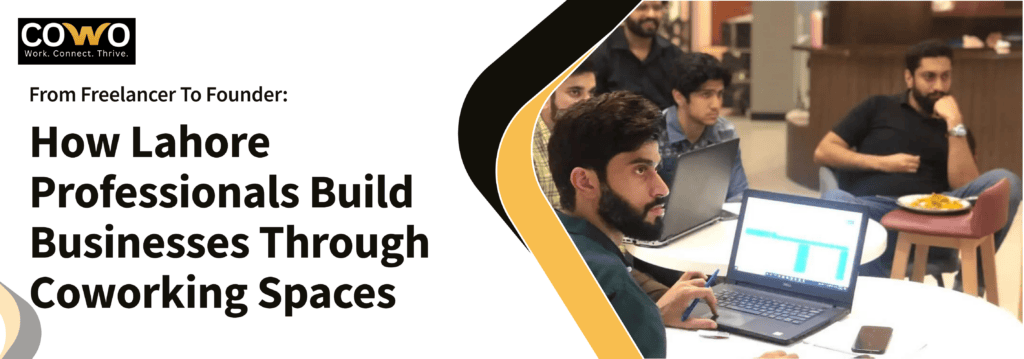
The first client makes someone a freelancer. But when projects start growing faster than one person can handle, the next challenge is no longer finding work. It is building a business.
For many professionals in Lahore, the journey begins with a skill and the decision to work independently. A software developer starts working with international clients, a designer helps businesses improve their brand identity, or a marketing specialist manages digital campaigns for companies looking to grow online.
In the early stages, freelancing provides freedom. Professionals can choose projects, work directly with clients, and build income through their own expertise.
However, growth changes the nature of the work.
A freelancer who once struggled to find projects may eventually have more opportunities than they can manage alone. Clients begin asking for complete solutions instead of individual services. A business that initially needs website development may later require design, marketing, automation, analytics, and ongoing support.
At this point, working harder is not enough.
The freelancer needs a system.
This is where the transition from freelancer to founder begins.
A freelancer depends mainly on personal skills and effort. A founder builds around those skills by creating processes, partnerships, and teams that allow the business to grow beyond one person.
For professionals in Lahore, this transition is becoming increasingly relevant. The city has a growing technology sector, a strong pool of skilled professionals, and an expanding entrepreneurial ecosystem.
Within this environment, coworking spaces are becoming more than places to work. They are becoming spaces where freelancers meet collaborators, learn from entrepreneurs, build professional relationships, and develop the foundation needed to create businesses.
Lahore’s Digital Economy Is Creating New Paths for Independent Professionals
Lahore has become one of Pakistan’s major centres for technology, education, and entrepreneurship. The city has a large community of professionals working in software development, design, digital marketing, consulting, e-commerce, and other technology-driven fields.
The growth of Pakistan’s digital economy has created more opportunities for these professionals to work with local and international clients.
According to State Bank of Pakistan (SBP) data, Pakistan’s ICT services exports reached approximately $3.8 billion in FY2025, highlighting the increasing contribution of technology-based services to the country’s economy.
This growth has created a new path for professionals who want to move beyond traditional employment. Many freelancers now use independent work as the starting point for building agencies, service businesses, and technology companies.
The journey often begins with solving one customer problem.
A developer may start by building websites for clients. Over time, they notice that businesses need more than development. They need better user experiences, digital strategy, automation, and technical support.
A designer may begin with branding projects but later discover that businesses need complete brand systems and marketing solutions.
A marketing professional may start by managing campaigns but eventually realise that companies need a broader growth strategy.
These repeated customer needs create opportunities.
The freelancer starts moving from selling individual services toward building a business that solves a specific problem.
However, this transition requires more than expertise. It requires a change in mindset.
The Shift From Freelancer to Founder
The biggest difference between a freelancer and a founder is not the amount of work they handle. It is the way they think about growth.
A freelancer focuses on delivering excellent work personally. Their success depends on their own skills, client relationships, and ability to complete projects.
A founder has to build a system where the business can continue delivering value as it grows.
This requires thinking about questions such as:
- How can larger projects be handled without reducing quality?
- Which skills are needed to serve bigger clients?
- How can work continue when more people become involved?
- How can the business create consistent opportunities?
Many talented freelancers struggle at this stage because they are experts in their field but have limited experience building operations.
A developer may know how to create software but may not know how to manage a growing team.
A designer may create excellent work but may need support with sales, pricing, and project management.
A consultant may understand customer problems but may need partners to deliver larger solutions.
The challenge is not a lack of ability. The challenge is that building a business requires different skills from completing freelance projects.
This is why access to the right people and environment becomes important.
Why Freelancers Need More Than Skills to Scale
Freelancing is often built around individual performance. A professional wins projects because clients trust their ability to deliver results.
However, businesses grow through systems and relationships.
As freelancers take on larger projects, they need access to people who can complement their skills. A technical professional may need marketing expertise. A creative professional may need operational support. A consultant may need specialists who can help deliver a complete solution.
Working alone can make this transition difficult.
A freelancer may spend months trying to solve a problem without realising someone else has already faced the same challenge.
This is where professional communities become valuable.
Being surrounded by founders, freelancers, and specialists creates opportunities for knowledge sharing and collaboration. A conversation about a project can lead to a partnership. A discussion about a challenge can introduce a better solution.
This does not mean every interaction becomes a business opportunity. Strong partnerships require trust, shared goals, and proven reliability.
However, being in an environment where these relationships can develop gives freelancers an advantage.
How Coworking Spaces Become a Bridge Between Freelancing and Entrepreneurship
The real value of coworking spaces is not simply providing a desk, internet connection, or meeting room.
The bigger value is access to a professional community.
When people from different industries work in the same environment, they are exposed to different ideas, skills, and experiences.
A software developer may meet a founder who understands customer needs.
A designer may connect with a business owner looking for creative support.
A marketing specialist may collaborate with someone building a new product.
These connections can help freelancers move from individual service providers to business builders.
Research on coworking communities shows that shared work environments can encourage knowledge exchange and collaboration when communities support meaningful interaction. The physical workspace creates the opportunity, but relationships create the value.
For freelancers moving toward entrepreneurship, coworking spaces can provide three important advantages.
Access to complementary skills:
Businesses are rarely built around one person’s expertise. Founders need people with different abilities to create complete solutions. Coworking communities can make it easier to discover professionals who bring those missing skills.
Exposure to business thinking:
Working around entrepreneurs allows freelancers to learn how others approach challenges such as pricing, customer acquisition, hiring, and operations.
A structured environment for growth:
A professional workspace creates a clearer separation between completing client work and building the business itself.
The goal is not simply to have a better workplace. The goal is to create an environment that supports the transition from freelancer to founder.
Lahore’s Startup Ecosystem Is Helping Freelancers Take the Founder Path
Moving from freelancing to entrepreneurship becomes easier when professionals have access to the right support system.
A strong skill can help someone start earning independently, but building a company requires knowledge beyond technical ability. Founders need to understand customer needs, create business models, manage teams, and make decisions that support long-term growth.
This is why startup ecosystems matter.
Lahore has developed a stronger entrepreneurial environment through incubators, universities, accelerators, investors, and professional communities that support early-stage businesses.
One of the important contributors to this ecosystem is the National Incubation Center Lahore (NIC Lahore). The organisation supports startups through mentorship, training, networking opportunities, and business development support. According to information shared by NIC Lahore, its ecosystem has supported 350+ startups, with startups raising more than PKR 5 billion in investment.
The value of these programmes is not limited to funding. Early founders often need guidance on areas where they have limited experience, such as market validation, hiring, business strategy, and customer acquisition.
A software developer may know how to build a product but may need help understanding the market. A freelancer may have strong client experience but may need support in creating a scalable business model.
Another important contributor to Lahore’s entrepreneurial environment is the LUMS Centre for Entrepreneurship (LCE), which supports entrepreneurs through incubation programmes, mentorship, workshops, and startup development initiatives.
These initiatives show an important change in Lahore’s business culture. Entrepreneurship is becoming less about individuals trying to solve every problem alone and more about becoming part of a connected ecosystem.
Coworking spaces play an important role within this ecosystem because they provide the everyday environment where professionals work, collaborate, and build relationships.
Turning Freelance Expertise Into a Scalable Business
The biggest opportunity for freelancers is not simply earning more from individual projects. The real opportunity is understanding how their expertise can become a structured business model that creates value consistently.
Most freelancers begin by selling their own skills. They use their knowledge to solve customer problems and build a reputation through the quality of their work.
Over time, many professionals notice that clients rarely need only one service.
A company looking for website development may also need content, branding, marketing, and ongoing technical support. A startup looking for software development may also need product strategy, design, and customer research.
These repeated needs create an opportunity.
Instead of handling every project as a separate assignment, freelancers can begin building complete solutions around a specific customer problem.
For example, a freelance developer may start by creating websites for businesses. After working with multiple clients, they may realise that companies are not only looking for someone who can write code. They need someone who understands their digital challenges and can help them build reliable technology solutions.
The freelancer can then collaborate with designers, marketers, or other specialists to offer a broader service.
This does not mean abandoning individual expertise.
It means building a business around that expertise.
The transition requires freelancers to think differently about their work. Instead of focusing only on completing current projects, they need to consider how services can be improved, repeated, and delivered through a larger team.
Building Teams Without Losing Quality
One of the most important steps in moving from freelancer to founder is learning how to work with other people.
Many professionals believe that building a business requires immediately hiring a large team. However, early-stage businesses often grow through smaller collaborations before creating permanent structures.
A freelancer may begin by partnering with specialists for specific projects. These partnerships help founders understand which skills are actually needed and which roles create the most value.
A developer may collaborate with a designer to deliver complete digital solutions. A marketing professional may work with content specialists to provide a broader service. A consultant may partner with technical experts to turn ideas into practical solutions.
These collaborations allow founders to test business models while reducing unnecessary risk.
However, successful teams require more than talented individuals. They need systems that allow people to work together effectively.
As a business grows, founders need clear processes for:
Client communication:
A structured communication process helps manage expectations, provide updates, and maintain strong relationships with customers.
Project delivery:
Clear workflows allow teams to understand responsibilities, track progress, and complete work efficiently.
Quality control:
Standards ensure that the quality of work remains consistent as more people become involved.
Without these systems, businesses often remain dependent on the founder’s personal involvement.
The real shift from freelancer to founder happens when the business can deliver value through a team instead of relying only on one person.
Choosing a Coworking Space That Supports Business Growth
Not every coworking space provides the same value.
For professionals who only need a place to work, basic facilities may be enough. However, freelancers who want to build businesses should look beyond desks and internet connections.
The right coworking environment should support productivity, professional relationships, and long-term growth.
Some important factors include:
A Community of Professionals
The strongest advantage of a coworking space is often the people around it.
A valuable community includes freelancers, founders, startups, consultants, and professionals from different industries.
These connections can create opportunities for learning, collaboration, referrals, and partnerships.
However, networking should not be treated as simply meeting more people. The most valuable relationships develop through trust, consistency, and genuine professional interaction.
Infrastructure for Professional Work
As freelancers begin working with larger clients, their operational needs change.
Client meetings, team discussions, and business conversations require a professional environment.
Reliable internet, meeting spaces, private areas, and suitable facilities help businesses operate more effectively.
Flexibility During Different Growth Stages
Early-stage businesses rarely grow in a straight line.
A freelancer may start alone, later work with a partner, and eventually build a small team.
A flexible workspace allows professionals to adjust according to their changing requirements without committing to unnecessary costs.
Professionals exploring coworking options should therefore consider the workspace as part of their growth strategy rather than simply a place to complete daily tasks.
Why Lahore’s Next Businesses May Start With Freelancers
The future of Lahore’s business ecosystem will not only be shaped by established companies. Many new businesses will begin with professionals who first built expertise through freelancing.
Freelancing has already shown that Lahore’s talent can compete globally by providing valuable digital services to international clients. The next step is helping more professionals transform those skills into businesses that create teams, solve larger problems, and contribute to economic growth.
Coworking spaces are not what makes someone a successful founder. A business still requires strong execution, customer understanding, financial discipline, and continuous improvement.
However, the right environment can make the journey easier.
It can connect professionals with collaborators, expose them to entrepreneurial thinking, and provide access to opportunities that are difficult to find when working alone.
For many Lahore professionals, the journey from freelancer to founder will not begin with a large office or significant investment.
It will begin with a valuable skill, a customer problem worth solving, and a community that helps transform individual expertise into a sustainable business.